




































PLANTS, FLOOD MITIGATION
About the Collection
Flood Mitigation & Creek-Bank Buffer Plants: Grow Your Own Healthy Landscape
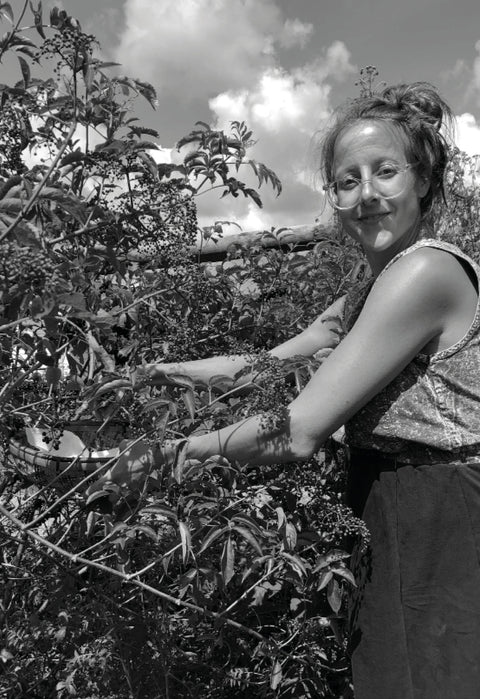
Heavy rains, flash runoff, and saturated ground test every piece of land—and when water starts moving fast across a yard or pasture, bare soil is the first thing to go. At Smoke Camp Crafts in Weston, West Virginia, we know firsthand how much difference living roots and thoughtful land stewardship make. When the central West Virginia flooding event of 2026 hit, our farm's growing fields were mostly unharmed. We pay close attention to maintaining riparian zones along our creek and planting wetland-friendly woody perennials like Buttonbush, alongside moisture-tolerant native shrubs and perennials that hold soil together and welcome pollinators back to the property.
This collection brings together flood mitigation plants, creek-bank stabilizers, and wet-soil native herbs and perennials chosen to help you build a more resilient, living landscape. Whether you are managing a soggy low spot in a suburban yard, buffering a creek or stream bank, shaping a rain garden, or restoring a wet meadow border, planting deep-rooted, water-tolerant species gives your property practical protection while supporting your broader goal to grow your own healthy environment.
Why Plant for Flood Mitigation and Wet Soil?
When heavy storms roll through, water that runs off compacted lawn or bare slopes carries away topsoil, nutrients, and organic matter. Over time, recurring runoff carves gullies, leaves standing water in low pockets, and stresses plants that cannot handle wet feet. Engineering alone can be costly and rigid, whereas living plant communities slow water down, let it soak into the ground, and bind soil with dense root systems.
Riparian buffers—the vegetated strips along creeks, streams, and drainageways—act like natural sponges and living armor. Woody shrubs and trees anchor banks against moving water and trap sediment before it enters waterways, while moisture-loving perennials fill out the surrounding zones with fibrous roots and seasonal blooms. Even away from a creek, a low spot where water pools after rain can become a functional rain garden or wet border when planted with species adapted to damp soil.
Featured Flood Mitigation & Wet-Zone Plants in This Collection
Each plant and seed packet in this lineup pairs moisture tolerance with ecological value for gardeners and land stewards:
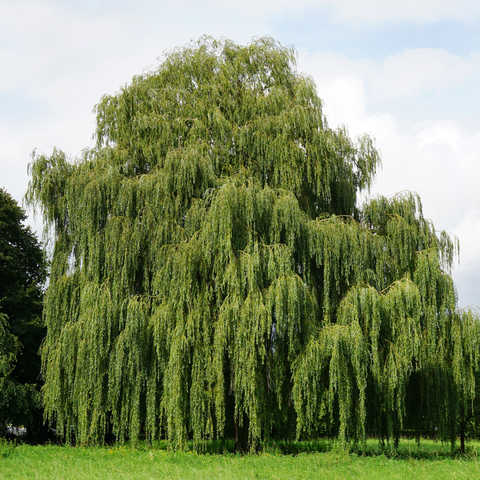
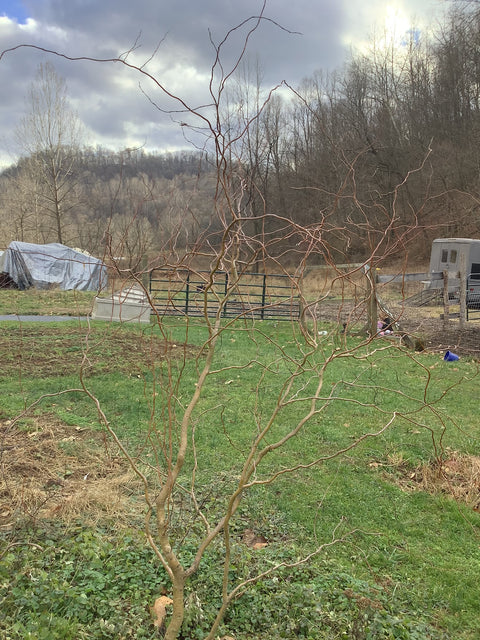
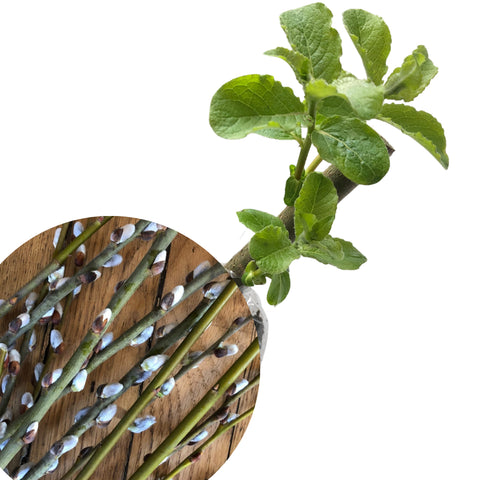
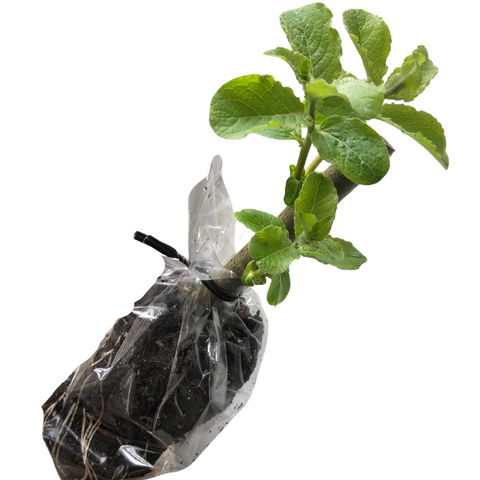
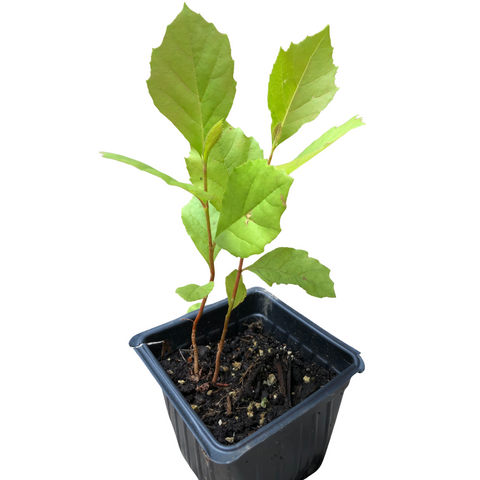
Black Willow (Salix nigra) — Organic Plant: A fast-growing native tree suited to creek banks and low meadows where soils run wet. Black Willow is widely valued for stream-bank stabilization and erosion control because its vigorous root system helps hold vulnerable edges in place. Because it can grow up to 60 feet tall and wide at maturity, give it generous room away from buildings, septic lines, and fields you want to keep in open sun.
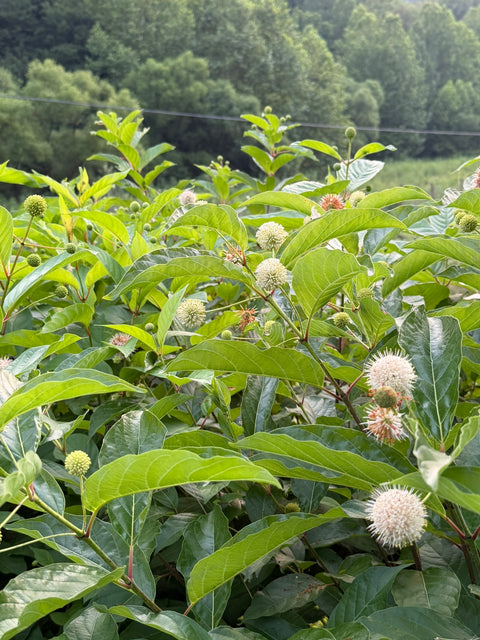
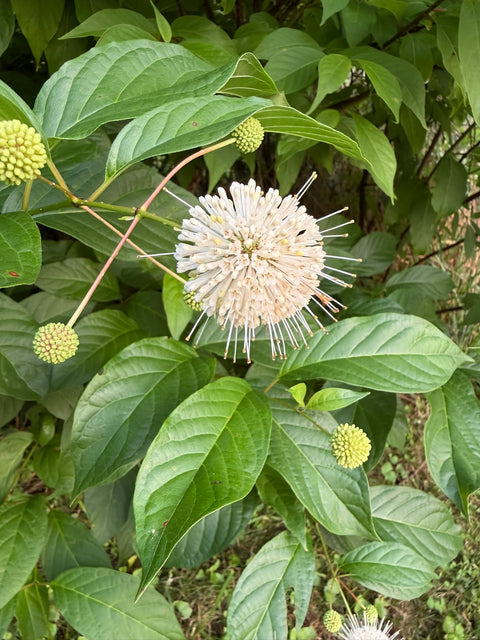
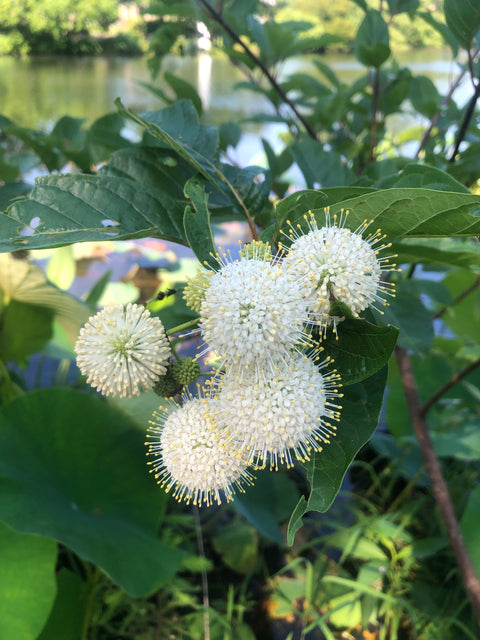
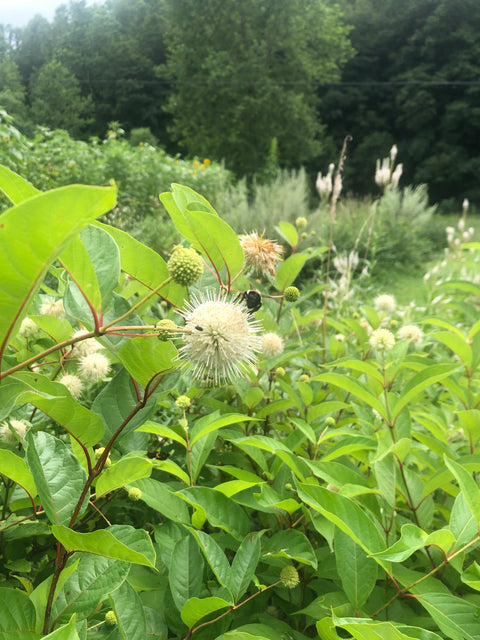
Buttonbush (Cephalanthus occidentalis) — Seeds: A native wetland-friendly shrub that thrives along wet margins, pond edges, rain gardens, and flood-prone borders. Buttonbush handles periodic inundation well, brings distinctive texture and pollinator appeal to damp ground, and pairs naturally with a creek-side or low-lying planting plan.
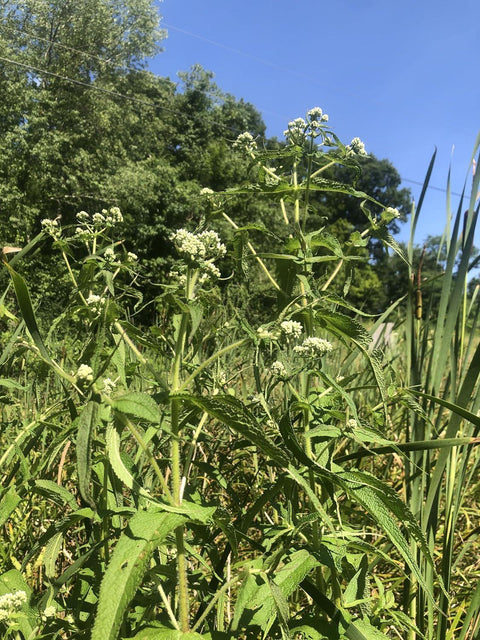
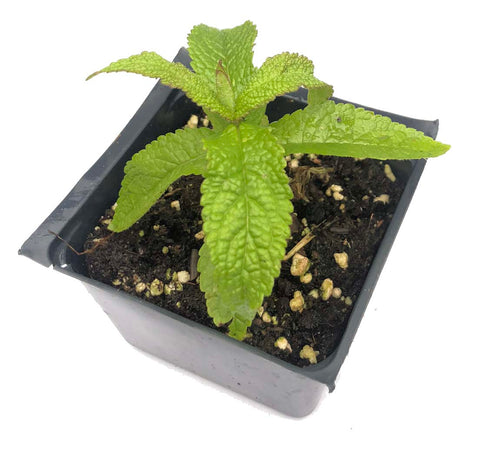
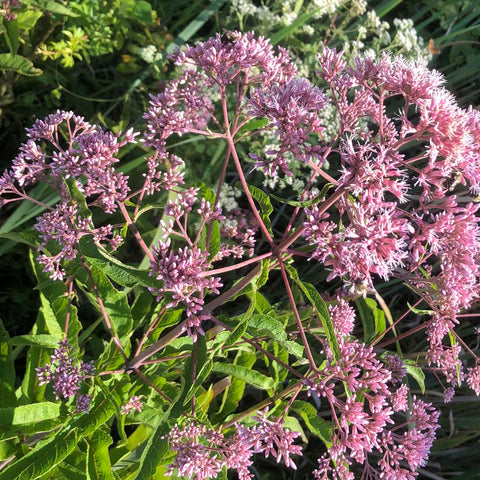
Boneset (Eupatorium perfoliatum) — Organic Plant & Seeds: A classic North American native perennial that prefers moist soils and full sun. Tall, sturdy, and rich with pollinator value, Boneset fits naturally into damp meadows, buffer edges, and sun-drenched wet borders.
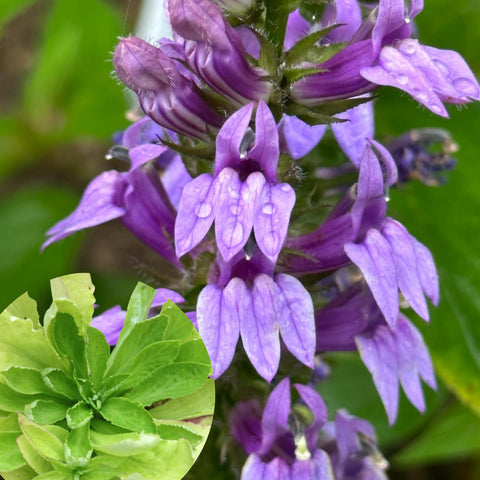
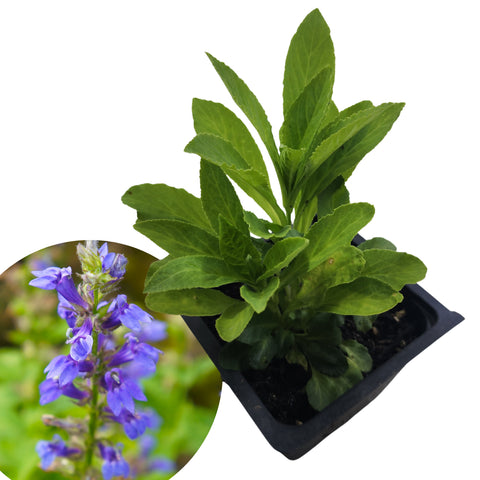
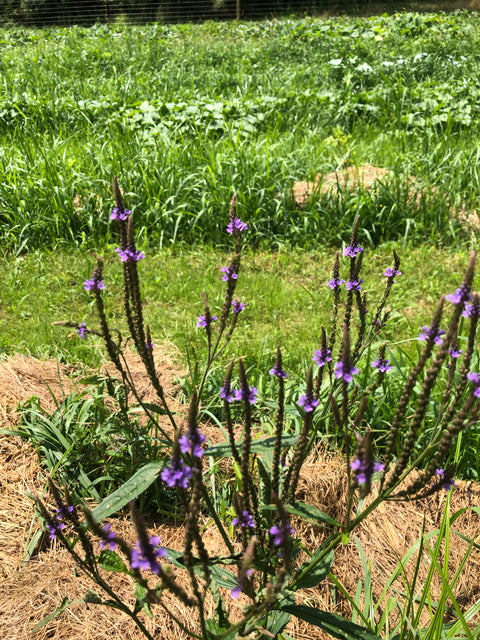
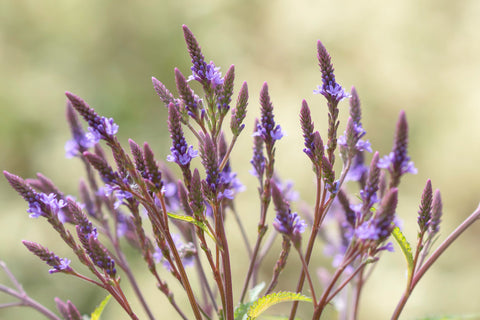
Blue Vervain (Verbena hastata) — Organic Plant: A hardy North American native perennial well-suited to moist soil and full sun. Its upright flower spikes attract bees, butterflies, and hummingbirds while adding vertical rhythm to rain gardens and wet perennial beds.
Joe Pye Weed (Eutrochium fistulosum) — Organic Seeds: A towering native herbaceous perennial built for spacious natural and pollinator borders in moist ground. Leaving its sturdy stalks standing through winter gives wildlife cover and visual structure before a late-winter cutback clears the way for new growth.
Wild Senna (Senna hebecarpa) — Organic Plant & Seeds: A tall native perennial that brings strong structure and pollinator support to sunny borders, meadows, and transitional zones.
How to Layer a Creek Bank, Wet Spot, or Rain Garden
A resilient wet-zone planting works best in layers rather than isolated plants. Match each zone to how water moves across your site:
-
Stream Banks and Outer Wet Edges: Place fast-rooting woody species like Black Willow (where space allows) and wetland-friendly shrubs like Buttonbush along banks and wet margins to slow runoff and stabilize soil against moving water.
-
Rain Gardens and Moist Perennials: Slightly higher or in swales where water collects and drains rather than roaring past at high velocity, tuck in moisture-loving native perennials like Boneset, Blue Vervain, Joe Pye Weed, and Wild Senna to build root depth and seasonal habitat.
-
Transition Zones and Buffers: Blend native perennials and shrubs into surrounding borders so your planting feels like a natural extension of the land rather than a rigid patch.
Planting, Dormancy, and Care Tips for Live Plants & Seeds
Our live plants are grown in USDA Hardiness Zone 6 under minimal cover, so orders shipped between October and April may arrive partially or fully dormant. Dormancy is a normal seasonal rest stage—not a sign that a plant is unhealthy—especially for woody shrubs, trees, and native perennials. For fall planting, put live plants in the ground four to six weeks before your first hard frost so roots establish, and mulch around the base while keeping mulch off the crown or stem.
For seed packets like Buttonbush, Boneset, Joe Pye Weed, and Wild Senna, match your sowing and stratification approach to each species' needs and prepare a clean, weed-free seedbed with consistent moisture as germination begins. Once established, native flood-mitigation plants do their best work when given room to mature, proper sun exposure for the species, and occasional attention to invasive weeds while young roots take hold.
Rooted in West Virginia Stewardship
At Smoke Camp Crafts, we believe caring for the land and caring for your own well-being belong together. Starting seeds, tending live plants, and shaping wet or flood-prone ground into a thriving habitat lets you take an active role in your surroundings—helping you grow your own healthy garden, yard, and connection to the outdoors. Browse the seeds and live plants in this collection to plan your next buffer, rain garden, or wet-border project.