
HOME FOR THE HOLIDAYS
Cozy gifts for your loved ones.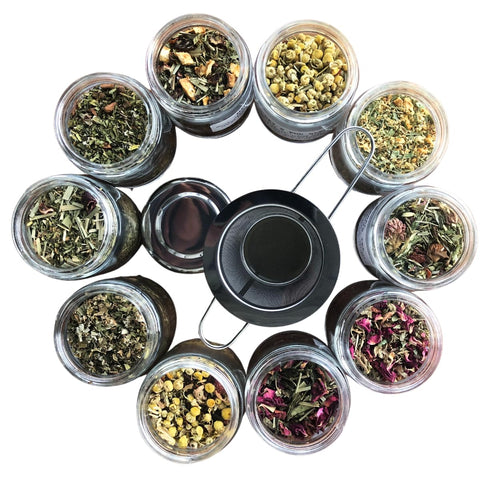





BREATHE BETTER
Your inner jungle awaits.













NURTURE THE GARDEN THAT NURTURES YOU
Plants for Pollinators
Attract butterflies and bees to your oasis.


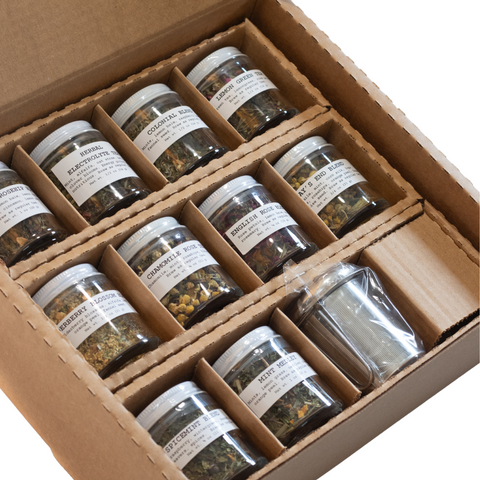
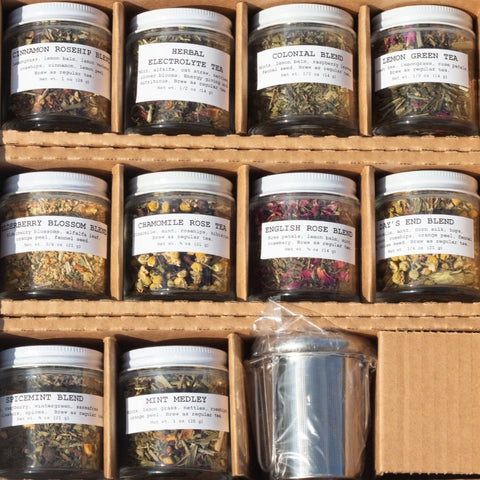
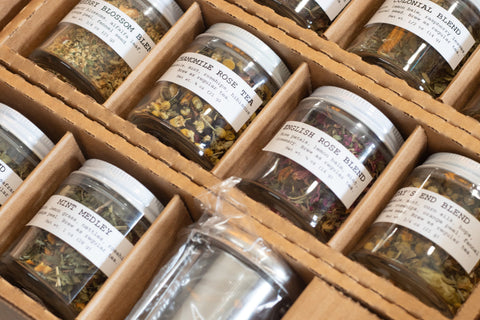
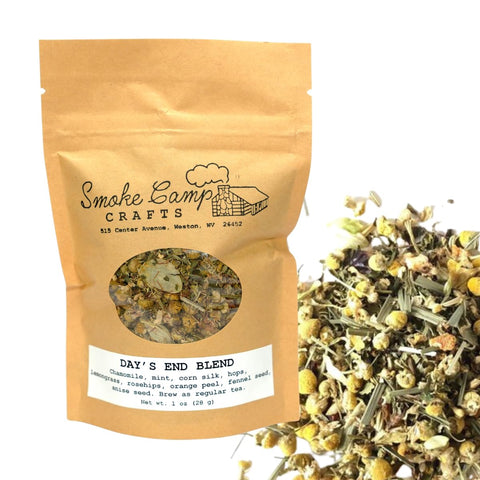
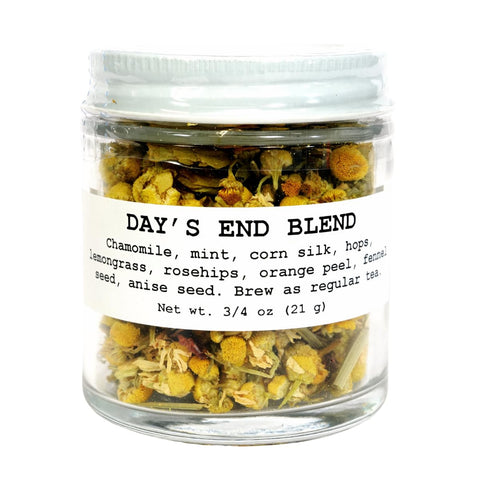
TEAS & TISANES
Sip away into your bliss.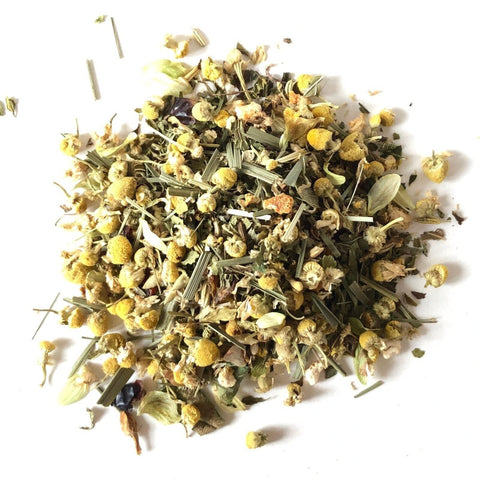






FLOOD MITIGATION PLANT HIGHLIGHT
We endured the central West Virginia flooding event of 2026 and our growing fields at our farm were mostly unharmed. We pay close attention to maintaining riparian zones along our creek and planting wetland friendly woody perennials like this one.
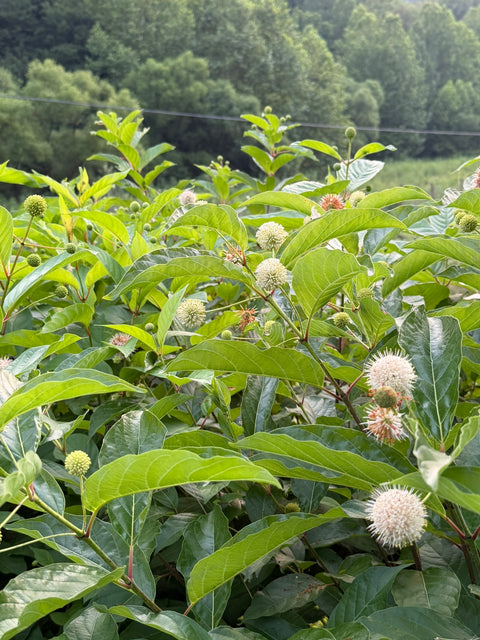
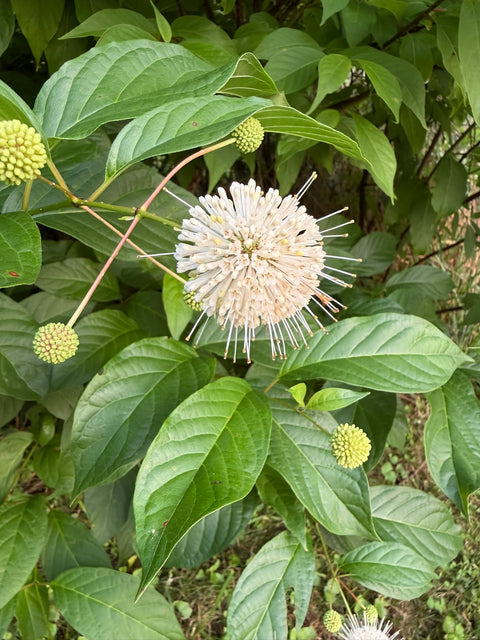
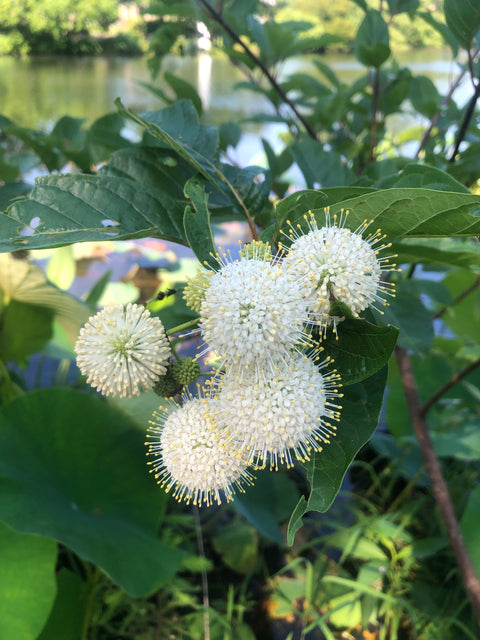
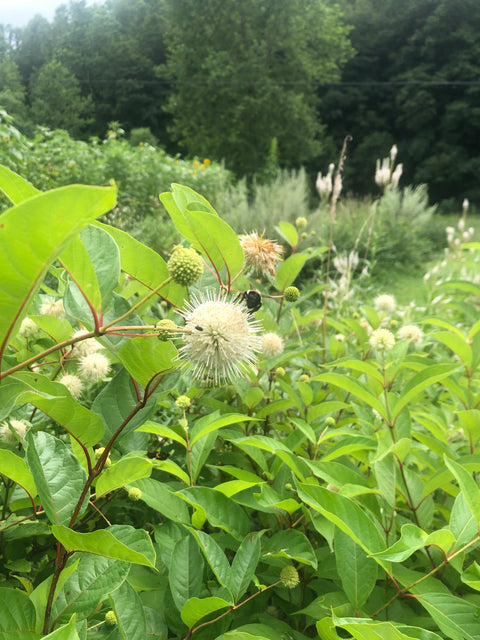
Buttonbush Seeds (Cephalanthus occidentalis) 50 Seeds (0.5 grams) | Native Pollinator Shrub
You will receive a seed packet containing 0.5 grams or a minimum of 50 fresh Buttonbush seeds. Cephalanthus occidentalis, also known as Button Bush, Button Willow, Honey Bells, and Honeyballs, is a member of the Rubiaceae family. This perennial is native to North America and is known for its unique filament-covered round blooms. Named for its woody stems that are strong enough to be carved into buttons, Buttonbush has a long history of medicinal use by indigenous people, who found it to have anti-inflammatory properties. Buttonbush, considered a wetland shrub, is useful for erosion control and also attracts pollinators and other wildlife. Bees, butterflies, moths, and waterfowl enjoy its flowers and seeds. These beautiful shrubs are a great addition to rain gardens and require very little pruning. Add interest and diversity to your outdoor space this year by growing Button Bush. Your local pollinators will thank you! Full sun to part shade, zones 5-9.
FOR YOUR BODY
From nature.





GROWING COMFREY FROM CUTTINGS
Simply plant a 1-2" piece of comfrey root in potting soil or outside and watch new plants emerge in mere weeks.
